
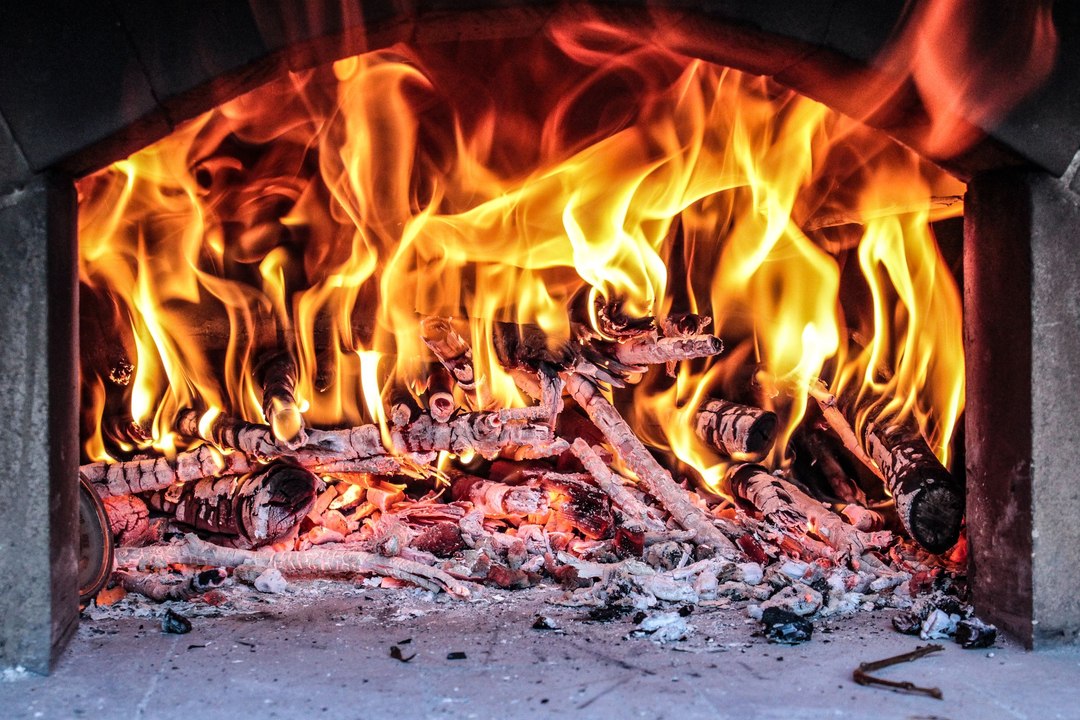
Done With Wood? Paramount Fireplaces Moved Over to Gas
What a fireplace needs on its way from wood to gas.
Two services often share one visit: a sweep before gas logs go in, or a camera inspection before an insert is ordered.
Chimney Sweep
Flue brushing for a fireplace you still burn in, or one about to go over to gas, with the deposit described plainly.
Chimney Inspection
A look at the whole chimney before a fuel change, so you know whether the flue can carry gas exhaust as it stands.
Chimney Repair
Mending the stack itself, crown, joints, tile and flashing, so the gas or wood appliance below has a sound way out.
Fireplace Inspection
Firebox, damper, hearth and any gas stub checked from inside the room, the starting point for a wood to gas plan.
Fireplace Repair
Firebox brick, panels, hearth and damper put right, whether the fireplace keeps burning wood or is being readied for gas.
Chimney Level 2 Inspection
A camera pass from firebox to cap with attic and roof checks, the inspection NFPA 211 asks for when the fuel or appliance changes.
Chimney Cap Installation
A metal top with ember mesh over each flue, sized for the appliance, wood or gas, that will vent through it.
Chimney Flashing Repair
The seam where roof meets brick resealed with step and counter metal, so winter storms stay on the roof side.
Chimney Masonry Repair
Brick, stone and mortar repairs on the stack, matched in color and hardness, before or after a fuel switch.
Chimney Rebuilds
A stack cracked by quakes or water taken apart to where the brick holds, then laid up again for the next appliance.
Fireplace Cleaning
The room side of a wood fireplace cleared of ash, soot and haze, often the last clean before gas logs go in.
Gas Fireplace Cleaning
Yearly service for gas units: glass, burner ports, pilot, logs and vent cleared so the flame burns blue and even.
Gas Fireplace Repair
Pilots that drop out, burners that sputter and remotes that do nothing, traced with a meter to the one part that failed.
Fireplace Remodel
A new face, hearth and firebox plan for the switch from wood to gas, laid out around the unit you choose.
Fireplace Inserts
A closed gas, wood or pellet box set into the old firebox with its own liner, so the fireplace starts heating the room.
Pellet Stove Repair
Hoppers that stop feeding, igniters that fail and stoves that shut off mid burn, sorted by testing one part at a time.
Wood Stove Repair
Gaskets, baffles, combustors and stovepipe on wood stoves kept working, with a straight view on when gas makes more sense.
Gas Logs
Ceramic logs over a gas burner on the old grate, for owners who want a fire at the turn of a knob.
Chimney Seismic Retrofit
Brick stacks above the roof braced, strapped or rebuilt lighter, so a strong quake is less likely to drop them onto the house.
Chimney Crown Repair
The mortar or concrete top over the brick sealed or recast, so rain stops getting into the stack from above.
Dryer Vent Cleaning
Lint cleared from the dryer duct through to the outside hood, so loads dry in one cycle and the machine runs cooler.
Chimney Liner Installation
A stainless liner run up the old flue, sized to the gas, wood or pellet appliance it will serve.
Chimney Leak Repair
Damp walls and drips near the fireplace traced on the roof and fixed at the point where rain actually gets in.
Chimney Waterproofing
Water repellent brushed onto repaired brick, letting the stack dry out while winter storms run down its face.
Chimney Damper Repair
A damper that sticks, rattles or leaks air fixed or swapped, including the stop a vented gas log set needs.
Chimney Chase Cover
A new metal lid for a framed chimney chase, made to measure, so water stops running into the box below.
Sales, rentals and code fixes: where gas fireplaces get checked
A house changing hands, a building full of gas units, a repair list from someone else's inspection. Each has its own page with what we look at, who gets the paper and what the fixes cost.
Home Sale Chimney Inspection
Who receives the report, the photos and the video when a house with a fireplace is sold, and what the camera inspection costs.
Chimney Inspections for Agents
For buyer's agents with a fireplace in escrow: a camera inspection, a report your buyer can act on, and copies to the people you name.
Property Manager and HOA Inspections
For buildings with gas fireplaces in many units: pilot, valve, glass and vent checked unit by unit, priced per fireplace.
Up to Code Chimney Repairs
The usual fixes an inspection asks for, in one table: our published prices where we have them, and the rest priced after we look.
Southeast Los Angeles County and the cities beside it.
Type your city name. Each of the 140 city pages covers local homes, ZIP codes and the weather chimneys there deal with.
Home Base
140
City pages with local notes
LA County
Our home county
Paramount
Based in
Bellflower, Lynwood and Compton see the most visits after our home city, because they sit closest along our route.
Paramount
Our home base, southeast county
Wood fires can be halted here by Rule 445 alerts from November through February, but gas-fueled units are not subject to them. Steady sun and mild, moist winters still age the crown and mortar, so a conversion begins on the roof.
Bellflower
Old dairy tracts, next door
Gas wants a tight flue, and old brick here has history: Long Beach, 1933, on the Newport-Inglewood Fault, damaged unreinforced masonry around southern Los Angeles County. So before we suggest any conversion, we look inside.
Lynwood
Former dairy town, incorporated 1921
In 1933 the Long Beach earthquake shook this city, and Compton beside it fared worse. Rule 445 alert days, November into February, restrict wood; gas-fueled devices are not subject to those alerts, one reason owners here switch.
Compton
Central Gateway city, creekside
People here felt the 2008 Chino Hills quake and, in 2014, the La Habra one, so we rule out shifted brick first. Wet months from November to April then soak any tired crown, joint or flashing seam.
Directory
136 more areas in our directory
Open the directory to find your city.
Three ways off wood, each with its own demands on the house.
Chase Chimney Solutions exists for Paramount homes whose fireplace is moving from wood to gas, and for the owners deciding how.
A gas log set is the smallest change: the firebox stays, the grate gets a burner, and the chimney carries the exhaust as before. An insert asks more of the house, a liner and a surround, and gives back far more heat. A direct-vent unit skips the chimney entirely and goes where you want it.
Gas fireplaces that already exist get a meter on the thermocouple or thermopile, a clean pilot and a look at the vent before any part is blamed. If the unit is past repair, the replacement is priced next to the fix.
- Logs
- Old firebox, new burner
- Insert
- Liner plus a closed box
- Wall unit
- Vents straight outside
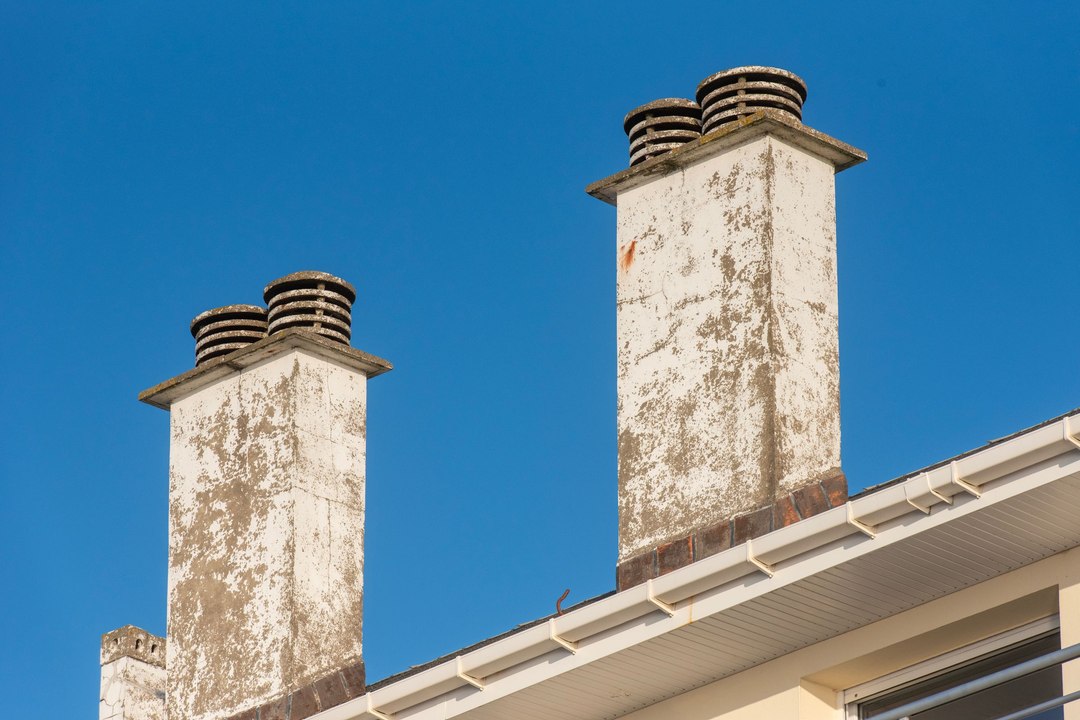
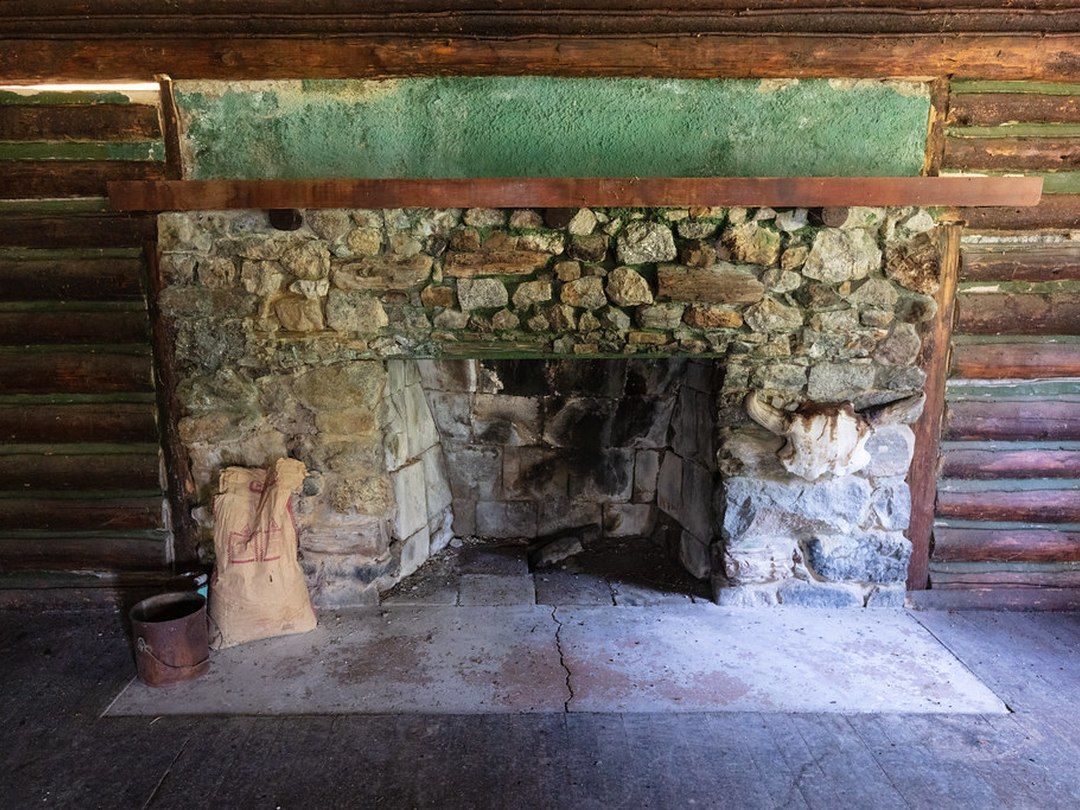
Gas Options Side by Side
Logs, inserts and wall units each have their place. We price them next to each other so the choice stays with you.
Flue Before Fuel
No gas appliance goes onto a chimney we have not looked at. A sound flue is part of the job, not an extra.
Fittings Leak Checked
Every gas connection we make or touch is leak checked, and the unit is lit with you present before we call it finished.
Southeast LA County Houses
Most of our visits are in Paramount, Bellflower, Lynwood and Compton, where many homes still have the brick chimney they were built with.
Gas logs, an insert or a new wall unit, planned from Paramount.
Get the gas options priced
A name, a number and what the fireplace burns today. We ring back to arrange a visit.
Five stages between the form and a working gas fireplace
The same order for a simple log set and a full remodel. Nothing is ordered until you have the prices and say yes.
Tell Us the Fireplace
Use the form: what sits in the fireplace now, wood, gas logs, an insert or a gas unit that is failing, and where you hope to end up.
We Ring Back
We call you, ask a few questions about the house and agree a day and a time window for the visit.
Measure, Test, Look Up
At the house we measure the firebox, test any gas parts, check the flue and the roof, and note what each gas option would need.
Options on Paper
You get the choices written side by side with their prices: logs, insert, wall unit or repair, plus any chimney work each one depends on.
Install and First Light
Once you pick, the work is booked. When the unit is in, we light it with you, go through the controls and leave the maker's paperwork.
Asked by owners in Paramount and the cities around it
Logs or insert, pilots that drop, no-burn days, camera inspections and what the chimney needs first.
Logs, insert or a new wall unit: how do the gas options compare?
Gas logs keep the firebox and chimney you have and give the look of a fire, with modest heat reaching the room. An insert closes up the opening, gets its own liner and heats noticeably better; the ones we install run $2,850 to $5,750. A direct-vent unit framed into a new spot, venting straight outside, costs $4,600 to $9,250 and leaves the chimney out of it. Which one fits your house is the first thing we talk through at the visit.
Does the chimney need anything before gas logs go in?
Usually a sweep and a look. Loose creosote above a gas flame is not something to leave in place, and the damper has to be able to stay partly open for a vented set. Sweeps start from $430 and a Level 1 visual is $56. If the tile turns out to be cracked, you hear about it before any set is ordered.
Why is a camera inspection suggested when we add an insert?
An insert is a new appliance on an old flue, and that flue has to be sound and the right size for a liner to pass through it. The $400 Level 2 films the full height and adds the attic and roof, so the liner and the insert get ordered to fit what is actually up there rather than what the opening suggests.
There is a gas smell around the fireplace. What now?
Leave the light switches and the fireplace controls alone. Walk everyone out, leaving the front door open behind you, and ring the gas utility or 911 from the sidewalk. When the utility has cleared the line, book us to find the fitting or valve that leaked and replace it.
Is a carbon monoxide alarm needed once the fireplace runs on gas?
Yes. Any home with a gas appliance, a fireplace of any kind or a garage attached to the living space falls under the state's CO alarm rule. Fit one outside each sleeping area and one on every floor. A gas fireplace burning cleanly makes little CO, but a blocked vent or a cracked part can change that without any smell.
Do no-burn days still apply after we switch to gas?
No. Paramount, Bellflower, Lynwood and Compton all fall under the South Coast AQMD, whose Rule 445 limits wood and other solid fuel on winter alert days. Gas fireplaces and gas log sets are outside those alerts, which is one of the reasons owners around here make the change.
Our gas fireplace pilot will not hold once we let go of the knob. Why?
On a unit with a standing pilot, that pattern almost always points at the thermocouple, or at a pilot flame too weak to heat it. A dusty orifice gives the same result. We meter the output, clean the pilot and replace the thermocouple if its reading is low. Units with electronic ignition fail differently and are diagnosed at the control module.
What sets the cost of a fireplace remodel for gas?
The unit you choose, how much old brick or stone comes off, the materials for the new surround and hearth, and whether the gas line has to be extended. We measure, agree the layout with you and write one price that covers all of it.
Can we still burn wood in the same fireplace after gas logs go in?
No. Once a burner and ceramic logs sit on the grate, the box is a gas appliance, and a wood fire on top of the set would ruin the burner and the logs. Owners who want both usually add a wood stove in another room instead.
Which inspection level fits a house that is being sold?
For a sale we suggest the $400 Level 2, because the new owner is about to take on a flue nobody has filmed. NFPA 211 lists a transfer of the property among the reasons for that level. A Level 1 at $56 suits a yearly check on a chimney whose use has not changed.
Our fireplace and our gas furnace share one chimney. Is that a problem?
Often the stack carries a separate flue for each, which is how it should be. Trouble starts when an insert or log set is planned into a flue the furnace already uses, or when the furnace side is unlined. We confirm which flue serves what before anything new is connected.
Your question is not here? Put it in the form and we will answer when we call.
Call (562) 449-0694